


Wood choice is as important as technique in BBQ. Different woods produce dramatically different smoke flavor profiles, and matching wood to protein is the mark of an experienced pitmaster. This guide breaks down every major wood type and the proteins they complement best.
Top-Rated Pellets to Buy
- Traeger Signature Blend Pellets — Hickory, maple, and cherry blend; versatile for anything
- Bear Mountain BBQ Pellets (Apple) — 100% apple wood; perfect for poultry and pork
- Lumber Jack Competition Blend — Strong smoke, great for brisket and beef
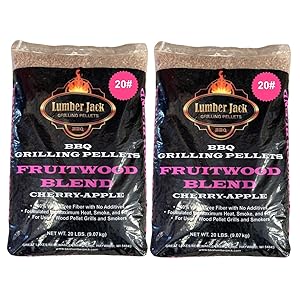
- Pit Boss Fruitwood Blend — Fruit wood trio; mild and sweet
Wood Flavor Profiles
| Wood | Flavor Profile | Smoke Intensity |
|---|---|---|
| Hickory | Bold, bacon-like, savory | Strong |
| Mesquite | Earthy, intense, slightly bitter | Very strong |
| Oak | Medium, balanced, versatile | Medium |
| Apple | Sweet, fruity, mild | Mild |
| Cherry | Sweet, slightly tart, beautiful color | Mild–Medium |
| Pecan | Nutty, rich, slightly sweet | Medium |
| Maple | Subtle sweetness, clean | Mild |
| Alder | Delicate, earthy, light | Very mild |
Wood Pairing by Protein
Beef (Brisket, Ribs, Burgers)
Beef is robust enough to handle strong smoke. Hickory and oak are the traditional Texas BBQ choices. Post oak is the gold standard for brisket. Mesquite works for shorter cooks but can become overpowering on a 12-hour brisket.
Best pellets: Lumber Jack Competition Blend
Pork (Shoulder, Ribs, Chops)
Pork pairs well with sweet and fruity woods. Apple and cherry are the most popular for ribs; hickory works well for pulled pork. Competition teams often combine apple and hickory (60/40) for a balanced flavor.
Best pellets: Bear Mountain BBQ Pellets Apple
Chicken and Turkey
Poultry is delicate and can be overpowered easily. Use mild woods: apple, maple, or cherry. Avoid mesquite and heavy hickory for whole birds — they’ll overwhelm the flavor. For turkey at Thanksgiving, apple + pecan is a classic combination.
Best pellets: Pit Boss Fruitwood Blend
Fish (Salmon, Trout)
Fish is extremely delicate. Alder is the traditional Pacific Northwest pairing for salmon. Apple also works beautifully. Never use mesquite or heavy hickory on fish — the result is harsh and unpleasant.
Vegetables and Cheese
For smoked vegetables and cold-smoked cheese, use the mildest woods: apple, cherry, or maple. These impart a subtle smokiness without overwhelming the natural flavors.
Pellet Quality: What to Look For
- 100% hardwood: Avoid pellets with fillers, binders, or bark in the outer shell
- Low moisture: Quality pellets snap cleanly; moisture-compromised pellets crumble
- Consistent diameter: Uniform pellets feed through the auger more reliably
- Brand-specific pellets: Most pellet grills accept any brand; Traeger’s warranty technically requires Traeger pellets but this is rarely enforced